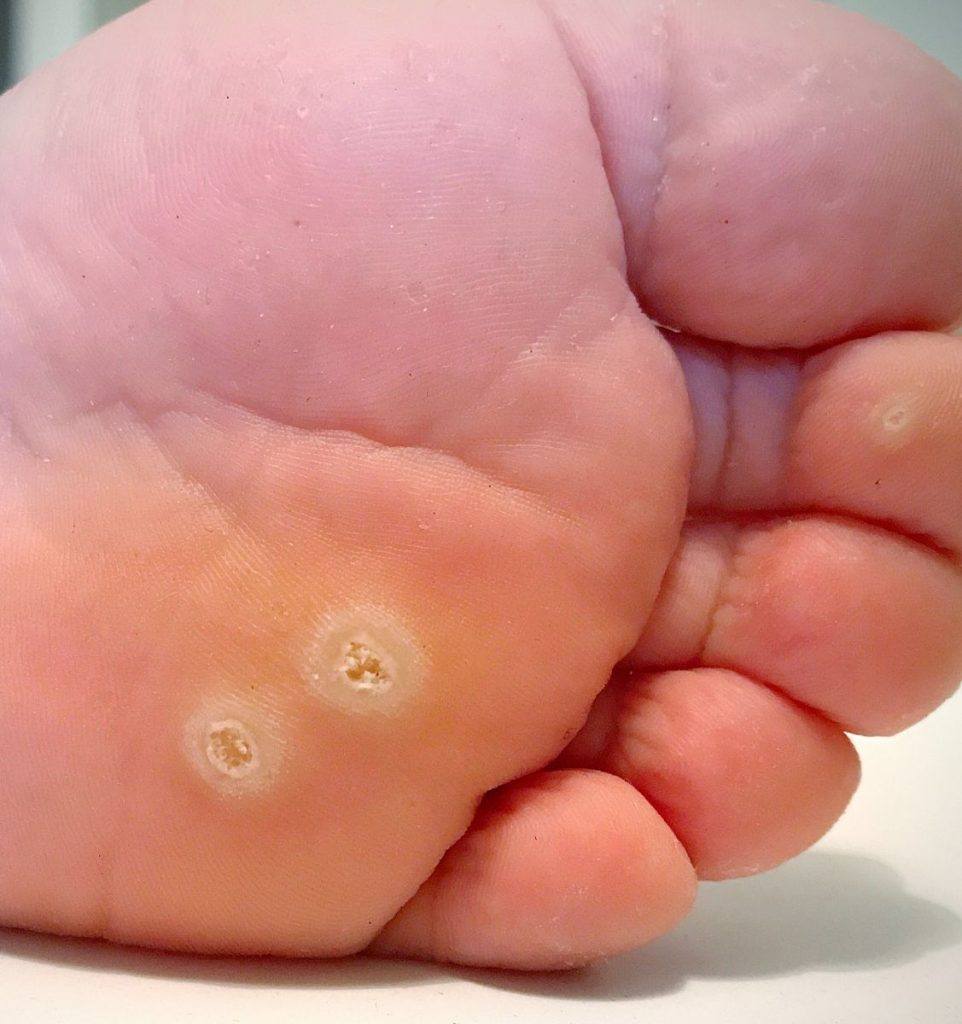
Various over-the-counter medications are available for corns and calluses. Salicylic acid patches or gels can help loosen hardened skin over time. These should be used with caution, especially if you have sensitive skin or medical conditions like diabetes. Foot creams containing urea can also be effective for softening and reducing calluses. Follow the directions included with each product to avoid irritation. Appropriate footwear to prevent further irritation.
Wearing appropriate footwear is essential to prevent further irritation and the development of calluses and corns. Choose shoes that fit well, offer adequate support, and have a wide toe box to reduce pressure on the toes. Avoid high heels and shoes with narrow toes. Orthotic insoles or padded insoles are recommended for greater support and comfort.
When to consult a doctor
While home treatments and over-the-counter medications can be effective, there are times when a doctor’s consultation is necessary. If you experience severe pain, signs of infection (such as redness, swelling, or pus), or if the callus persists after treatment, consult a doctor. People with diabetes or circulatory problems should consult a doctor before attempting to treat foot problems on their own.
Preventive measures for long-term foot health:
To maintain long-term foot health and prevent calluses from recurring, maintain good foot hygiene by washing and moisturizing your feet daily. Trim your toenails regularly to avoid additional pressure on your toes. Check your feet regularly for any changes or signs of irritation. Perform foot exercises to improve circulation and strength. Finally, be sure to wear appropriate footwear for various activities to minimize stress on your feet.