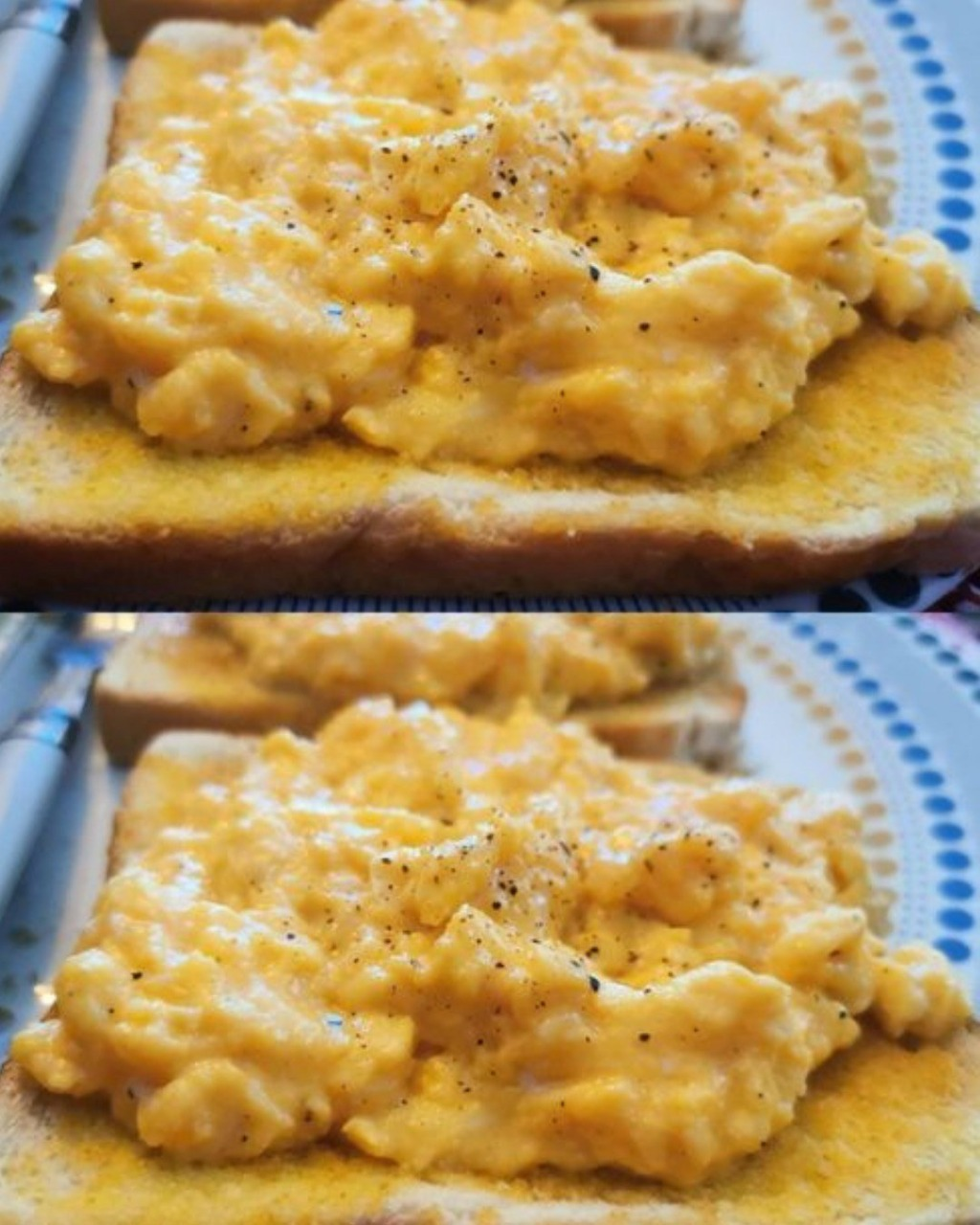
Introduction: Why Perfect Scrambled Eggs Are Worth Pursuing
When done well, scrambled eggs should be soft, creamy, tender, slightly loose (but not runny), and richly flavored. The curds should be delicate, not tough or stringy.
What you’ll learn in this guide:
The role of heat, pan, and fat
The importance of whisking / aeration
When and how to add seasonings / dairy
How to stop cooking at the right moment
Variations (richer, fluffier, more custardy, etc.)
Troubleshooting common mistakes
Let’s dive in.
1. Ingredients & Equipment — What You’ll Need
Ingredients (Base)
Here’s a standard “baseline” for 2 servings (you can scale up or down):
Ingredient Typical Amount Purpose / Notes
Eggs 4 large Use fresh, good-quality eggs for best flavor
Butter (unsalted preferred) 1–2 Tbsp (15–30 g) Fat helps with flavor, texture, and preventing sticking
Salt A pinch (to taste) Seasoning is essential — some prefer to salt before cooking, others after
Freshly ground black pepper To taste Adds a mild bite
(Optional) Milk, cream, or water 1–2 Tbsp (15–30 ml) Adds creaminess or fluffiness — see variations
Optional add-ins (cheese, herbs, chopped vegetables, smoked salmon, etc.) can be folded in at the end or near the end of cooking.
Continue reading…
